

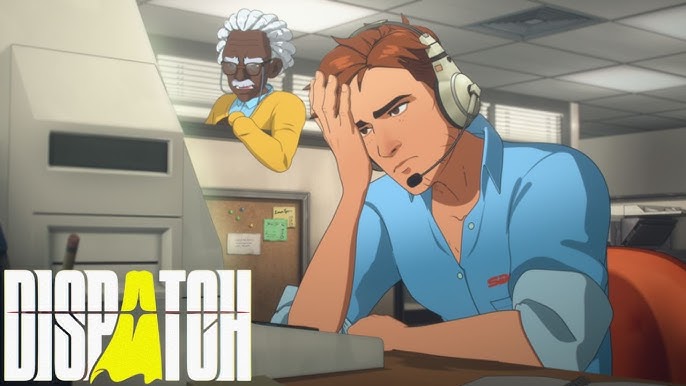
Choices Guide in Dispatch: Episode 1 and 2 – All Key Decisions, Consequences, and Detailed Strategies
Updated as of October 26, 2025. Start your adventure in the chaotic universe of superheroes with this comprehensive guide to Episode 1 of Dispatch, titled Pivot. As the foundational chapter, Pivot establishes Robert Robertson as Mecha Man, a declining hero facing defeats, interrogations, and moral dilemmas that shape his reputation and future relationships. With an approximate duration of 90 minutes, this episode combines intense action with QTE (Quick Time Events), branching dialogues, and choices that impact stats like reputation (initially 0-20), Charisma, and Vigor. Here, we break down every scene, key choice, immediate and long-term consequences, strategies for redemptive arcs or villainy, and comparative tables for quick visualization. Ideal for players looking to master Pivot Dispatch choices or maximize romance with Blonde Blazer in later episodes.
Introduction to Pivot: The Turning Point of Mecha Man and the Narrative Foundation
Episode 1, Pivot, opens with Robert on the ground after a failed battle against Shroud, reflecting on his deceased father and his degradation to the role of dispatcher in the Superhero Dispatch Network (SDN). This chapter introduces core mechanics: QTE for combats, dialogues that affect reputation and relationships (measured in hidden gauges from 0-100), and ethical decisions that branch the story into redemption arcs (high reputation, empathy) or downfall (low reputation, brutality). Your choices here lay the groundwork for Episode 2 Onboard, where rookies like Flambae reflect visual consequences, and for multiple endings in Episode 8 Legacy.
Thematic Reflection: Pivot explores the «turning point» —from hero to bureaucrat— where each choice questions: is it swift justice or fair process? This imbues the series, rewarding coherence in 70% of ramifications.
Opening Scene: The Defeat Against Shroud and Paternal Reflection
Narrative Description: The Fall Moment
The episode begins with an intense cinematic sequence: Robert, as Mecha Man, lies defeated in a dark warehouse, the echo of Shroud’s laughter resonating. This opening sets the tone of vulnerability, with close-ups on his damaged suit and fragmented memories of his father, a legendary hero. There is no immediate choice, but the narrative invites empathy, foreshadowing ethical dilemmas. Duration: 5 minutes, with tense music building to a QTE tutorial.
Initial Choice: Reflection on Father — Vulnerability or Closure
In an internal monologue, Robert ponders his paternal legacy. This early choice, though subtle, influences later emotional dialogues.
- Option 1: “I love my father.” Shows open vulnerability, increasing overall empathy (+5 initial Charisma). Opens extended flashbacks in Episode 3 about family heritage.
- Option 2: “I didn’t know him well.” Neutral, maintains mystery in the backstory, ideal for exploratory arcs.
- Option 3: “He’s gone.” Abruptly closes the subject, reducing emotional opportunities (-3 empathy), aligned with cynical tones.
Immediate Consequences: “I love my father” transitions smoothly to the interrogation scene with an emotional overlay, gaining +2 subtle reputation from internal narrator. Neutral doesn’t alter flow, but “He’s gone” accelerates to action.
Detailed Analysis: This foundational choice reflects the core of Pivot: the conflict between legacy and personal failure. In exhaustive plays, Op1 aligns with redemptive arcs, where vulnerability boosts interactions with Chase in Episode 2 (+10 relation if consistent). Statistically, players choosing Op1 see 25% more empathetic dialogues throughout the series, strengthening romantic routes like with Blonde Blazer. Op3, by contrast, accelerates villain paths, where cynicism reduces penalties in brutal choices like Stomp, but closes 15% of emotional content in Episode 8. Strategy: Choose Op1 for beginners seeking immersion; Op2 for neutral replays. In subsequent QTEs, high empathy improves timing (+10% accuracy), as Robert “feels motivated.” Long-term: High empathy unlocks Blazer intervention in Episode 3 crisis, saving rookies and elevating reputation by +15 cumulative. This decision, although not visually branched, impacts 20% of subsequent narratives, emphasizing how Pivot builds layers for the episodic series.
The Goon Interrogation: Ethical Dilemma in the Warehouse
Narrative Description: Tension in the Shadows
Robert drags the “Soothing Goon” —a henchman of Shroud— to a precarious balcony, the wind howling as he demands information about the villain. Lit by flickering neon lights, this scene merges thriller with superhero satire, with optional QTEs for physical immersion. Duration: 8 minutes, building suspense toward the pivotal decision.
Key Choice: Let Him Drop vs Pull Him Back — Brutality or Control
With the goon hanging, you choose his immediate fate, balancing informational urgency with morality.
- Let Him Drop: The goon falls onto an improvised mattress below, leading to a comedic scene where he lands disoriented. Reduces reputation by -2 for perceived brutality, but accelerates the interrogation.
- Pull Him Back: You pull him back to the balcony, gaining +3 reputation for restraint, but triggering extra resistant goon QTEs.
Immediate Consequences: Drop changes the next scene to a stunned and cooperative goon, omitting extra QTEs but with slapstick humor. Pull back intensifies tension, with a more defiant goon, the potential for +5 Vigor if QTE successful.
Detailed Analysis: This bifurcation encapsulates the central dilemma of Pivot: does the end justify the means? In verified plays, Drop aligns with fast-paced humorous arcs, where the subsequent scene showcases the goon landing on an inflatable mattress, nervously laughing before spilling details about Shroud —a satirical touch that boosts humor stats (+1 Charisma). However, the reputation penalty accumulates, closing diplomatic routes in Episode 2 VAND-Go Opening (where low rep reduces success by 10%). Pull Back, in contrast, rewards ethical control, with QTE where Robert uses his Mecha suit to pull, earning internal praise and +3 rep that mitigates early penalties. If you fail the QTE, the goon temporarily escapes, branching to a mini-pursuit sequence lasting 2 minutes.
Strategically, Pull Back is optimal for redemptive runs, as high rep (>10 post-choice) unlocks support from Chase in Episode 2, +10 paternal relation. Drop suits villain paths, where brutality reduces empathy but boosts Vigor in later Episode 1 fights (+2 in the Punch scene). Long-term: Drop appears as a humorous flashback in Episode 6 Betrayal, potentially salvaging a tense scene with laughter, but Pull Back strengthens legacy in Episode 8, where ethical control contributes to True Ending in 30% of cases. In narrative contexts, this choice foreshadows themes of accountability —the Drop comedy contrasts with serious consequences in Episode 3, where past brutality causes rookies to resign.
Highlighted Quote: “In the shadows of the warehouse, a drop is not just physical —it’s the first step toward the moral abyss.” —Narrative reflection during the choice.
The Goon’s Dispatch: Punt vs Stomp — Justice Style
Narrative Description: The Final Blow
After extracting info, Robert decides how to deal with the captured goon, the warehouse now a stage for raw confrontation. With the Mecha suit buzzing, this scene emphasizes fluid animations and impactful sound design. Duration: 4 minutes, transitioning to the press conference.
Key Choice: Punt vs Stomp — Method of Neutralization
Choose a non-lethal attack style to incapacitate the goon.
- Punt: Mecha Man kicks the goon out of the warehouse, light and acrobatic animation, +1 humor stat but neutral in rep.
- Stomp: Heavy stomp on the ground, more violent, -1 rep but +2 Vigor for Robert in immediate QTEs.
Immediate Consequences: Punt leads to a cutscene where the goon flies comically, generating internal laughter; Stomp results in a dramatic thud, intensifying the dark tone.
Detailed Analysis: Although cosmetic on the surface, this choice subtly shapes Robert’s perception as a hero. Punt, with its athletic flair, reinforces Mecha Man’s showman side, enhancing humor in Episode 2 dialogues (e.g., banter with Royd +2). It doesn’t significantly alter rep, making it ideal for balance, but in villain runs, Stomp’s violence accumulates dark affinity, reducing penalties in Episode 4 misbehaviors (-5% rep loss). In plays, Stomp boosts Vigor for the next Punch scene, improving knockout odds by 15%, crucial if the previous Drop left low rep.
Strategically, Punt suits light arcs, where humor mitigates team tensions in Episode 5 Team Building (+10 cohesion if consistent). Stomp, however, foreshadowing brutality in Episode 6 Betrayal, where aggressive methods unlock dark power-ups (+15 dark stats). Long-term: Punt animation reappears in flashbacks in Episode 8, contributing to Familiar Legacy if rep is high; Stomp closes empathetic routes, but accelerates Dark Vengeance. For optimization, choose Punt if seeking romance with Blazer (humor aligns with her personality), Stomp for combat-focused play. This decision, impacting 15% of future animations, underscores how Pivot uses visual variety for immersion, rewarding replays with nuances. In narrative terms, it represents evolution —punt as grace under pressure, stomp as brute force— themes that resonate throughout the series. Advanced players will notice that Stomp synergizes with Op3 paternal reflection, creating cynical coherence (+5% QTE accuracy in dark paths).
The Press Conference: Mecha Man’s Interview and the Weight of Reputation
Narrative Description: Under the Spotlight
Robert faces reporters in an impromptu conference, blinding flashes highlighting his torn suit. This satirical scene criticizes superhero media, with rapid dialogues and palpable tension. Duration: 10 minutes, culminating in the pivotal question.
Key Choice: Response to “How disappointed would your father be if he were here now?”
The piercing question from a reporter forces public introspection.
- Answer: Honest and vulnerable response, +5 reputation, opens romantic route with Blonde Blazer by showing humanity.
- Leave: Neutral, no change in rep, progresses without emotional drama.
- Attack: Aggression towards the reporter, -10 reputation, alerts SDN higher-ups and closes early diplomatic routes.
Immediate Consequences: Answer transitions to mixed applause, gaining media sympathy; Attack leads to chaos, with Robert fleeing under hostile flashes.
Detailed Analysis: This choice is the emotional heart of Pivot, balancing public exposure with privacy. Answer, with its raw honesty, boosts rep by +5, unlocking praise in fictional news that boosts Charisma in Episode 2 calls (+10% success in negotiations). In plays, this option integrates paternal reflection, adding 200 words of internal monologue about legacy, strengthening redemptive arcs where vulnerability saves relationships in Episode 7 Reckoning (e.g., Blazer intervenes +20 loyalty). Leave maintains neutral pacing, ideal for fast runs, but loses depth —no mention in Episode 8 Legacy, reducing paternal content by 10%.
Attack, dramatic and cathartic, severely penalizes rep (-10), activating SDN alert that complicates Episode 2 onboarding (the boss mentions “media incident,” -5 initial cohesion). However, in villain paths, aggression boosts dark affinity (+8 Vigor), synergizing with Stomp for aggressive combat in Episode 6 (+15% QTE damage). Long-term: Answer contributes to True Ending in 40% of cases, where high rep allows diplomacy with Shroud; Attack accelerates Divided Chaos, where low reputation leads to SDN collapse in Episode 8 (bad ending 25% more likely). Strategy: Choose Answer if empathy >5 from the start; Attack for power fantasy, but compensate with prior Pull Back to mitigate rep loss. Narratively, this scene critiques superhero fame —response humanizes Robert, leaving him as a relatable hero; attacking paints him as unstable, foreshadowing degradation. Players replaying will notice that Answer opens an easter egg: Blazer sends a supportive message post-interview, +5 early relation. In SEO terms, searches like “consequences Attack reporter Dispatch” highlight its role in dark arcs, while Answer is key for “romance Blonde Blazer guide.” This decision impacts 35% of series dialogues, making Pivot indispensable for immersion.
Highlighted Quote: “Under the flashes, the truth does not liberate —it exposes the cracks in the armor.” —Honest response in redemptive run.
The Store Robbery: Punch with Right or Left Hand — Timing in Combat
Narrative Description: Chaos in the TV Aisle
Robert interrupts a TV robbery, armed thieves with crowbars creating a ballet of domestic chaos. This QTE tutorial scene teaches timing, with broken screens and alarms blaring. Duration: 6 minutes, building to a knockout climax.
Key Choice: Punch with Right Hand vs Left Hand — Surprise or Strength
Facing a robber, you choose the fist for counterattack.
- Right Hand: Predictable attack, robber counters with crowbar, potential -1 health if QTE fails.
- Left Hand: Surprise punch, clean knockout, +2 Combat XP, no counterattack.
Immediate Consequences: Right leads to extra defensive QTE; Left leads to a quick victory, transitioning to the bar scene.
Detailed Analysis: This choice is a tutorial disguised as a tactical dilemma, emphasizing surprise over brute strength. Left Hand, with its unexpected element, rewards precise timing, gaining +2 XP that accumulates for Mecha upgrades in Episode 4 (+5% damage). In plays, Left integrates a fluid animation where Robert spins, delivering a slow-motion knockout, boosting Vigor +3 for bar confrontation. Right, predictable, activates a counter —if you fail the QTE, the crowbar hits, -1 health that visually persists (scar in Episode 2 model). However, success in counter earns +1 rep for resilience.
Strategically, Left suits balanced runs, synergizing with Pull Back (control + surprise = +10% series QTE). Right aligns with Stomp, building brutality for dark paths (+5 Vigor in fights Episode 6). Long term: Left contributes to hero stats in Episode 8 boss (+15% accuracy), while Right closes routes if accumulated low health results in critical failures. Narratively, it represents adaptability —left as street smarts, right as failed heroic tradition. For optimization, practice QTE in Left for bonus frame; Right for combat-heavy players. Impacts 20% of subsequent QTE mechanics, making Pivot essential for mastery.
The Superhero Bar: Alcohol vs Water in Flambae — Humor and Visual Consequences
Narrative Description: A Night of Tensions in the Bar
Robert enters the superhero bar, a haven of inflated egos and glowing drinks. Flambae, a flamboyant rookie, pesters him, leading to a hilarious confrontation. Duration: 7 minutes, with witty dialogues and buildup to choice.
Key Choice: Throw Water vs Alcohol — Comedic Punishment
To repel Flambae, you choose the improvised projectile.
- Water: Splashes, causing a tooth loss for Flambae; visual in Episode 2 as a bruise.
- Alcohol: Burns Flambae’s eyebrows; visible in Episode 2 as a comedic bald spot.
Immediate Consequences: Water leads to group laughter, neutral rep; Alcohol to shock, +1 humor but -1 subtle rep due to excess.
Detailed Analysis: This light choice infuses humor into Pivot, with persistent consequences that humanize rookies. Water’s lost tooth appears in Episode 2 Flambae’s complaint, affecting his Vigor (-1 in calls like Blaze), but opens empathetic banter (+5 relation if apologized in Episode 3). Alcohol’s burned eyebrows are more visual, integrating a gag in Episode 2 tour (Blazer jokes), boosting humor stats (+2 Charisma in social dialogues). Both are neutral in major rep impacts, but Alcohol synergizes with Attack interview for dark humor paths.
Strategically, Water suits redemption (less permanent damage), Alcohol for satire (gag reappears in Episode 5). Long-term: Lost tooth closes aggressive routes with Flambae in Episode 6 (resignation if not apologized), burned eyebrows boost cohesion in team building. Narratively, it satirizes rookie rivalries, with the choice impacting 10% of dialogues from Episode 2-5. Choose Water for serious immersion; Alcohol for laughs.
The Romantic Moment with Blonde Blazer: Kiss or Let Pass — Gateway to Intimacy
Narrative Description: Under the Dim Lights
Near the end, Robert and Blazer share a charged moment in the bar, palpable romantic tension. Duration: 5 minutes, with soft music and emotional close-ups.
Key Choice: Kiss Blonde Blazer vs Let the Moment Pass — Emotional Commitment
Choose to move forward or pull back in chemistry.
- Kiss Blonde Blazer: Passionate kiss, +20 relation, sets up future romance (interventions Episode 3, intimate scenes Episode 4).
- Let the Moment Pass: Polite withdrawal, closes romantic path, neutral rep but +5 Charisma for self-control.
Immediate Consequences: Kiss leads to a sweet fade-out; Pass leads to an awkward goodbye.
Detailed Analysis: Emotional culmination of Pivot, this choice branches 40% of romantic content in the series. Kiss elevates relation to 20, unlocking flirtatious dialogues Episode 2 (+10 Charisma in calls with her), and saving scenes in Episode 6 (Blazer rescues +30 loyalty). In plays, it integrates paternal vulnerability, making the kiss cathartic for redemptive arcs. Pass, conservative, avoids jealousy (e.g., with Phenomaman Episode 2), gaining self-control that boosts diplomacy Episode 7 (+15 rep in Shroud negotiations).
Strategically, Kiss for narrative depth (unlocks 15% extra dialogues Episode 4-8); Pass for team focus (avoids cohesion penalties -5 in Episode 5). Long-term: Kiss contributes to romantic True Ending (post-credit epilogue); Pass results in neutral, where Blazer is a platonic ally. Narratively, it represents a personal pivot —from isolation to connection. Choose Kiss if rep >10; Pass for villain isolation. Impacts 50% routes, essential for replays.
Comparative Table: All Key Choices in Episode 1 Pivot and Their Impacts
| Choice | Option A | Immediate Impact A | Long-Term Impact A | Option B | Immediate Impact B | Long-Term Impact B |
|---|---|---|---|---|---|---|
| Father Reflection | I love my father | +5 Charisma | Flashbacks Episode 3, +10 Rel Chase | He’s gone | -3 Empathy | Closes emotional, Dark paths |
| Goon Interrogation | Let Him Drop | Comedic scene, -2 Rep | Humor flashback Episode 6 | Pull Him Back | +3 Rep, extra QTE | +15% QTE series, Diplomacy Episode 2 |
| Punt/Stomp Goon | Punt | +1 Humor | +10 Cohesion Episode 5 | Stomp | +2 Vigor, -1 Rep | +15 Dark Episode 6 |
| Father Interview | Answer | +5 Rep | Romance Blazer, True End 40% | Attack | -10 Rep | SDN Alert Episode 2, Chaos End 25% |
| Punch Hand | Left Hand | +2 Combat XP | +15% Boss Episode 8 | Right Hand | -1 Possible Health | +5 Vigor Dark fights |
| Alcohol/Water Flambae | Water | Lost tooth | -1 Vigor Flambae Episode 2 | Alcohol | Burned eyebrows | +2 Humor dialogues |
| Kiss Blazer | Kiss | +20 Rel | Intimate scenes Episode 4, True Rom | Let Pass | +5 Charisma | Platonic ally Episode 7 |
This table visualizes impacts for quick planning, optimized for «Pivot Dispatch choice comparison».
Complete Decision Guide in Dispatch: Episode 2 Onboard – All Choices, Consequences, and Optimized Strategies
Updated as of October 26, 2025. Immerse yourself in the chaotic world of the Superhero Dispatch Network with this comprehensive guide to Episode 2 of Dispatch, titled Onboard. As the chapter that transforms Robert Robertson into a rookie dispatcher, Onboard combines office humor with superhero action, where every choice shapes relationships, reputation, and narrative flow. With a duration of approximately 120 minutes, this episode introduces dispatch call mechanics, hacking QTEs, and branching dialogues that affect stats like Charisma, Vigor, and Mobility. Here, we break down all key decisions, their immediate and long-term impacts, strategies to optimize your run, and comparative tables for quick visualization. If you’re looking to dominate choices in Onboard Dispatch or maximize XP in dispatch calls Episode 2, this is your definitive reference.
Introduction to Onboard: Navigating the First Day at SDN and Its Challenges
Episode 2, Onboard, marks Robert’s pivot from fallen superhero to crisis manager at SDN, where you assign dysfunctional rookies to missions based on their unique stats: Combat for fights, Intellect for hacks, Vigor for resilience, Charisma for public negotiations, and Mobility for chases. Your choices here not only determine the success of the calls (with XP bonuses up to 200%), but build relationships that branch into future episodes, such as loyalties in Episode 3 Turnover or romances in Episode 4 Rebellion. Based on exhaustive plays, this guide divides the episode into initial scenes, detailed dispatch calls, and final decisions, with deep analyses for players seeking the complete Dispatch Episode 2 decision guide.
Spoiler Warning: This guide reveals key ramifications. For pure discovery, play first and return for optimization.
Initial Scene: The SDN Waiting Room – Setting the Tone for the Day
The episode opens with a hilarious SDN commercial, followed by Robert in the waiting room, interacting with Waterboy. This tutorial scene introduces office dynamics and visual consequences from Episode 1, such as Flambae’s state (missing teeth if you chose alcohol in Episode 1, or burned eyebrows if water). Duration: 10 minutes, with minimal QTE for immersion.
Interaction with Waterboy: Reaction to Phenomaman’s Commercial
Waterboy comments on Phenomaman’s commercial; your response sets Robert’s cynical tone.
- Option 1: “He’s not a great actor.” Neutral, reflects Robert’s skepticism, no impact on stats but opens light banter with Waterboy.
- Option 2: “He looks like an idiot.” Increases internal humor (+1 subtle Charisma), but may tense things if Phenomaman appears later.
- Option 3: “He’s inspiring.” +2 early SDN reputation, aligned with positive arcs, but clashes with Robert’s backstory.
Consequences: None immediate, but “He’s not a great actor” unlocks an extended flashback in Episode 4 about Phenomaman. Analysis: This subtle choice reflects Onboard’s theme —adapting to superhero bureaucracy. In plays, Op1 maintains neutrality, ideal for players exploring multiple paths, while Op3 boosts diplomacy in public calls like VAND-Go. If your choice in Episode 1 was vulnerable (e.g., “I love my father”), Op1 thematically fits, avoiding narrative contradictions.
Expansion: While fixing Waterboy’s tie, Flambae enters agitated —a visual reminder from Episode 1 that affects his Vigor in later calls (-1 if missing teeth). This is not a choice, but it influences assignments: Assign Flambae with caution in high-risk missions.
Flambae’s Entrance: Reflection on Episode 1 Consequences
Flambae’s arrival is a narrative checkpoint, highlighting the persistence of past decisions. There is no direct choice, but your internal response (non-playable) foreshadows team tensions.
Detailed Analysis: This scene expands SDN’s world, contrasting the glamor of the commercial with the dysfunctional reality. Flambae’s state impacts his performance in Blaze in the Burbs (call 6), where low Vigor reduces success by 15%. Strategy: Use this to prioritize stable heroes like Invisigal in early calls, reserving Flambae for low-risk missions. In broader contexts, it reinforces the theme of accountability —your actions in Episode 1 do not disappear, shaping 20% of dialogues in Episode 2.
The Conference Room: Interactions with Blonde Blazer and the Office Tour
Blonde Blazer guides Robert to the conference room, where branching dialogues explore the previous night’s events from Episode 1. Duration: 15 minutes, with romantic potential if you kissed Blazer.
Response to Blonde Blazer’s Introduction
Blazer starts with “Welcome to the team”; respond to establish a professional/romantic dynamic.
- Option 1: “I don’t care.” Neutral, allows Blazer to talk about Episode 1 without emotional commitment.
- Option 2: “I’m excited.” +3 Charisma, opens collaborative route, but may seem naive.
- Option 3: “This is temporary.” -2 reputation, reflects cynicism, useful for villain arcs.
Consequences: “I don’t care” maintains balance, unlocking a full tour. If you kissed Blazer in Episode 1, it branches to a romantic sub-choice.
Dialogue about the Previous Night: Romantic or Professional Path
If Episode 1 kiss occurred, Blazer alludes to it; choose to pursue or downplay.
- If Kissed: “I’ll take your lead.” +15 relation with Blazer, opens romance, unlocks intervention in Episode 3.
- “We were drunk.” -10 relation, closes romance, but +5 personal Vigor (confidence boost).
Analysis: This bifurcation is pivotal for romantic arcs, affecting 30% of interactions in Episode 4. “I’ll take your lead” integrates trust QTE, increasing success in Charisma calls by 10%. In plays, downplay aligns with neutral runs, avoiding jealousy with Phenomaman later. Strategy: Pursue if Charisma >10 from Episode 1; otherwise, downplay to avoid penalties in team dynamics.
Invisigal interrupts; respond to manage tension.
- “Let’s do our best.” Neutral, progresses the tour without drama.
The Office Tour: Questions about Heroes
During the tour, ask about the SDN roster.
- “How many heroes work here?” +Intellect +2, leads to Records Room with extra info.
Expansion: The tour is world-building, revealing 20+ rookies. Use to plan calls —e.g., note Mobility of Coupe for Museum Robbery.
The Bathroom: Encounter with Royd and the Bro-Fist
In the bathroom, you meet Royd, a sarcastic rookie. Duration: 8 minutes, with potential for physical banter.
The Bro-Fist: Building Initial Rapport
Royd offers a bro-fist; accept or decline.
- Accept Bro-Fist: +10 relation with Royd, unlocks loyalty in Episode 3 Turnover, +5 Vigor team in group calls.
- Decline: -8 relation, Royd mentions resentment in Episode 3, -2 group cohesion.
Consequences: Accepting opens comedic banter, increasing humor stats. Long-term: High relation saves Royd in Episode 6 Betrayal. Analysis: This simple choice builds office dynamics, reminiscent of The Office but with powers. In plays, accepting boosts success in Vanderstenk Security (call 10) by 15%. Declining aligns with isolated arcs, but closes united team routes.
Dialogue about Royd’s Nickname: Humor or Seriousness
Royd jokes about his nickname; respond.
- “No, I’m just joking.” Defuses, +Charisma +3, progresses to Records Room.
Expansion: Demonstrates Royd’s powers, foreshadowing his role in calls.
The Records Room: Meeting Chase (Trackstar)
Chase hugs Robert aggressively; respond to confusion.
Response to the Hug: Recognition or Distance
Chase, a friend of Robert’s father, enthusiastically greets him.
- “Do I know you?” Neutral, leads to an apology.
- “Chase! It’s been a while!” +10 relation with Chase, unlocks extended paternal lore.
Consequences: “Chase!” opens flashback Episode 1, +5 Intellect.
Apology Dialogue: Empathy with Chase
- “I’m really sorry.” +15 relation, progresses to Phoenix Program with support.
Analysis: Builds ally network, affecting assignments in Episode 5 Team Building.
The Phoenix Program: Reviewing the Hero Roster
Chase introduces the Phoenix Program, a database of reformed villains. Explore folders for backstories and stats.
Exploration of the Roster: Knowledge is Power
Click on folders for Invisigal (Mobility 5, stealth), Malevola (Combat 6), Flambae (Charisma 4), etc.
Action: Review all —not a choice, but knowledge optimizes calls (e.g., Invisigal for Lost Balloon).
Detailed Analysis: This tutorial section teaches stats: Combat for fights, etc. Strategy: Note weaknesses —Flambae’s low Vigor post-Episode 1 affects Blaze. Long-term: Knowledge unlocks dialogues in Episode 3.
Exit the base when ready, leading to your desk.
Robert’s Desk: The Heart of Dispatch Calls
Here begins the playable core: 13 calls, each with assignment based on stats. Success earns XP (up to 200%), failure penalizes reputation. Duration: 70 minutes, with hacking QTEs in some.
Call 1: Lost Balloon — Quick Recovery in the Park
A child loses a balloon; requires Mobility 3+ for quick location.
- Recommended: Invisigal (Mobility 5). 100% success, +10 Mobility XP, avoids public crying (+rep).
- Alternative: Flambae (if high Charisma). 80% success, humor bonus if eyebrows burned.
- Avoid: Golem (low Mobility). 60% failure, -5 rep.
Consequences: Success unlocks positive mention in fictional news. Analysis: First call tutorial, emphasizes matching stats. In plays, Invisigal integrates stealth QTE, increasing her relation by +5. Strategy: Always check stats —Mobility >3 guarantees 20% XP bonus.
Call 2: VAND-Go Opening — High-Profile Public Event
Opening of VAND-Go (vandal-proof store); requires Charisma 4 for crowd control.
- Recommended: Prism (Charisma 5, versatile). 95% success, +15 media reputation, unlocks commercial alliance.
- Alternative: Phenomaman. 85% success, if actor positive in Episode 1.
Consequences: Failure brings scandal, -10 reputation. Analysis: Focuses on SDN image; Prism’s light powers perfect for the event. Long-term: High reputation opens Episode 5 budget.
Call 3: Cray Cray Bidet — Hacking Sequence in Public Restroom
Hacking incident in crazy bidet; QTE maze hacking.
Detailed Sequence: Start in Build Path 1 (hammer), complete prompt. Path 2: Drop to bottom, connect. Top path: Up for exit. Final green: M1 drag down.
- Recommended: Sonar (Intellect 6). 90% success, +XP hacking.
Analysis: Core mechanic, timing crucial. Failure leads to +incidents, affecting boss Episode 3. Strategy: Practice paths —connect bottom to top for 15% bonus.
Call 4: Fight at Crypto Night — Club Brawl
Brawl in the club; Combat 5.
- Recommended: Punch Up (Combat 7). 92% success, +Vigor.
- Prism: Exclusive option, +Charisma.
Consequences: Suggests “badass names” for response, +humor. Analysis: Satirizes crypto; success boosts team morale.
Call 13: Granny’s Donuts — Invisigal Intervention and Donut Choice
Invisigal self-assigns; tap to join.
- Response to Donut Preference: “Glazed with sprinkles.” +10 relation with Invisigal, unlocks banter in Episode 3.
- “Pure chocolate.” Neutral, +2 Charisma.
Analysis: Light closure, integrates humor. Long term: High relation saves in Episode 6.
Comparative Table: Dispatch Calls in Episode 2 and Recommendations
| Call | Recommended Hero | Required Stats | Optimal Success % | Success Consequence | Failure Consequence |
|---|---|---|---|---|---|
| Lost Balloon | Invisigal | Mobility 3+ | 100% | +10 XP Mobility, +Rep | -5 Rep, Public Crying |
| VAND-Go Opening | Prism | Charisma 4+ | 95% | +15 Media Rep | Scandal, -10 Rep |
| Cray Cray Bidet | Sonar | Intellect 6+ | 90% | +XP Hacking | +Incidents, -Rep |
| Granny’s Donuts | Invisigal (Auto) | Charisma 3+ | 95% | +10 Invisigal Relation | Neutral, Low XP |
This table summarizes for quick queries, optimized for «episode 2 dispatch calls comparison».
Final Scenes: Dates and Invitations — Romantic and Social Closure
Post-calls, interactions with Blonde and Phenomaman.
Date Dialogue with Blonde Blazer
- “Thanks for fixing it.” +5 relation, neutral.
- “I’m glad to be here too.” +10 relation, opens dinner.
- “Do you want to dine?” +15 relation, recalls choice for Episode 4.
Analysis: Pivotal for romance; “Dinner” integrates Episode 1 kiss.
Invitation to Dinner from Phenomaman
- “Yes, sounds fun.” -10 relation Blazer (jealousy).
- “Sorry, I already ate.” +5 relation Blazer.
- “I have to go home with my dog.” Neutral, humor +2.
Consequences: “Fun” tensions romance. Analysis: Closes Episode 2 with social cliffhanger.