


Hidden Gems: Must-Play Horror Games on Switch That Will Keep You Awake [2025 Guide]
Nintendo Switch packs some serious scares into its compact frame. The games create bone-chilling tension that stays with you long after you put down your console, whether you play on the go or on your TV screen.
Each year brings more terrifying titles to the Switch’s horror collection. Players can enjoy big names like Resident Evil 4 and Luigi’s Mansion 3, along with plenty of hidden gems waiting to be found. Some of the best horror games ever made have landed on Nintendo’s flexible platform, including the masterpiece Alien: Isolation. On top of that, titles like Dying Light Platinum Edition bring the complete survival horror experience to Switch with remarkable results.
This piece highlights the most gripping indie horror games you should try on Switch. We’ve put together a selection of spine-chilling experiences that prove the best horror games aren’t exclusive to stronger consoles. These range from mind-bending psychological thrillers to intense survival challenges. So pick up those Joy-Cons, dim the lights, and you’ll find why horror games are a great way to channel your darker thoughts and emotions.
1. Why the Switch is Perfect for Horror Fans
Image Source: TikTok
The Nintendo Switch stands out as a unique platform for horror game fans. It delivers experiences that bigger consoles can’t match. My countless nights spent hiding under blankets with my Switch prove this unassuming console creates frights that stick with you after you power down.
Portability adds intimacy to scares
Something feels extra terrifying about holding horror games in your hands. The Switch’s portable nature creates a personal connection to frightening moments on screen. Games like Fatal Frame: Maiden of Black Water prove that spirits can terrify you just as much on a small screen as they would on TV [1].
Horror fans recommend headphones in handheld mode. This creates an immersive audio experience that pulls you deeper into the game’s atmosphere. Darkwood, one of the best survival horror games on Switch, shows this perfectly. The game’s immersion comes from sound effects, so headphones become essential to get the full experience [2].
Portability changes horror games from spectator events into personal experiences. A jump scare hits differently when you’re alone with your Switch in the dark versus sitting far from a TV screen.
Wide range of indie horror games on Switch
Nintendo Switch’s impressive horror catalog grows stronger each year. The library covers every subgenre from psychological thrillers to survival horror challenges:
- Atmospheric Horror: Games like Layers of Fear: Legacy follow a painter’s descent into madness in a Victorian-era mansion with ever-changing environments [2]
- Survival Horror: Titles such as Alien: Isolation feature intelligent Xenomorph AI that stalks players dynamically, setting new standards for survival horror intensity [1]
- Narrative Horror: Story-rich games like Detention offer a psychological point-and-click adventure set in 1960s Taiwan that blends local folklore with historical trauma [1]
The Switch has become a haven for indie horror developers. Games like World of Horror and Little Nightmares II give players fresh scares. As one reviewer noted, «No matter what horror subgenre you enjoy, you will find an enjoyable gaming experience» [2].
Surprising performance for atmospheric titles
The Switch might not match other consoles’ raw graphical power. Yet it excels at creating atmospheric horror experiences. Alien: Isolation on Switch proves this point. Feral Interactive’s port keeps the nerve-wracking atmosphere that made the original a masterpiece and adds excellent motion controls that improve immersion [3].
Observer is another game that exceeds expectations on this platform. The game faces some technical limits in docked mode but creates an impressive horror experience. It shines especially in handheld mode where rich world-building makes up for any technical shortcomings [3].
Horror games rely more on atmosphere, sound design, and clever gameplay mechanics than cutting-edge graphics. The Switch performs well in these areas. Games like Signalis use fixed camera angles and tank controls that remind us of classic survival horror. This shows how innovative design overcomes hardware limits.
The Switch’s versatility lets horror games employ unique features like HD rumble. To cite an instance, Luigi’s Mansion 3’s vibrations make ghost encounters feel more real and immediate [4]. This tactile dimension adds something special to the horror experience that other platforms can’t match.
The Switch has changed from an unlikely option to a strong platform for frightening experiences. Horror fans looking for quality and quantity will find it’s the perfect portable gateway to digital nightmares.
2. Little Nightmares II – A Dark Fairytale Reimagined

Image Source: Rely on Horror
Little Nightmares II gets under your skin and stays there. This chilling sequel builds on its predecessor with deeper themes and better gameplay. It stands out as one of the most memorable indie horror games on Switch.
Cinematic platforming and puzzles
Little Nightmares II turns basic platforming into a nerve-wracking experience through excellent pacing and level design. You play as Mono, a young boy trapped in a distorted world changed by a mysterious transmission. The game leads you through areas packed with user-friendly yet rewarding puzzles [5]. These range from simple tasks like climbing desks by opening drawers to complex sequences where you manipulate elevators or lure enemies into traps.
The game shines with its stripped-down approach. Without any interface or prompts, you must look around carefully to solve puzzles [5]. This makes everything more immersive and lets the creepy environments take center stage.
This title stands apart from other Switch horror games by adding [limited combat](https://littlenightmares.fandom.com/wiki/Little_Nightmares_II_(video_game). Mono can use hammers or axes as weapons, but as a small child, these tools feel heavy and awkward—perfectly showing how vulnerable you are [6]. The sound of blades scraping across concrete creates perfect audio feedback that makes each fight feel desperate [6].
Themes of childhood fear and helplessness
Little Nightmares II might look like just another horror platformer at first glance. Dig deeper though, and you’ll find a deep exploration of childhood anxiety. The developers chose «escapism» as their central theme [6], which shows up throughout the nightmarish environments.
The school level shows this brilliantly. It turns a supposedly safe place into something hostile [7]. The porcelain bullies who chase you and the teacher with her snake-like neck tap right into common childhood fears of authority figures and peer pressure [7]. The game makes you face anxieties that stick with you even as an adult.
Six, your AI companion from the first game, adds depth to these themes. She creates moments of connection in the horror—you hold hands when scared or team up to solve puzzles [8]. These moments feel natural rather than programmed, making your trip through this twisted fairytale world a bit less scary [7].
Visual storytelling without dialog
The game tells an amazing story without saying a word [9]. The environments become storytellers themselves, showing themes of control, media manipulation, and social decay.
The art style reminds you of Tim Burton’s work. It creates spaces that look beautiful yet deeply unsettling [5]. From huge bookshelves in the school library to hospital corridors filled with mannequins, each place tells its own disturbing story [10]. One reviewer called this a «charming horror» style—familiar enough to recognize but strange enough to be deeply unsettling [8].
Sound design works perfectly with these visuals. The game builds tension using techniques like faint sounds that become clearer as danger approaches [5]. Using headphones while playing in handheld mode creates an intimate horror experience that proves why the Switch works so well with atmospheric games.
The technical side impresses too. Little Nightmares II runs smoothly on Nintendo Switch, keeping what seems like 30fps even in busy scenes [11]. Some visual blur exists due to lower resolution, but this haziness sometimes makes the dreamlike, nightmarish quality even better [11].
3. Layers of Fear: Legacy – Art and Madness Collide
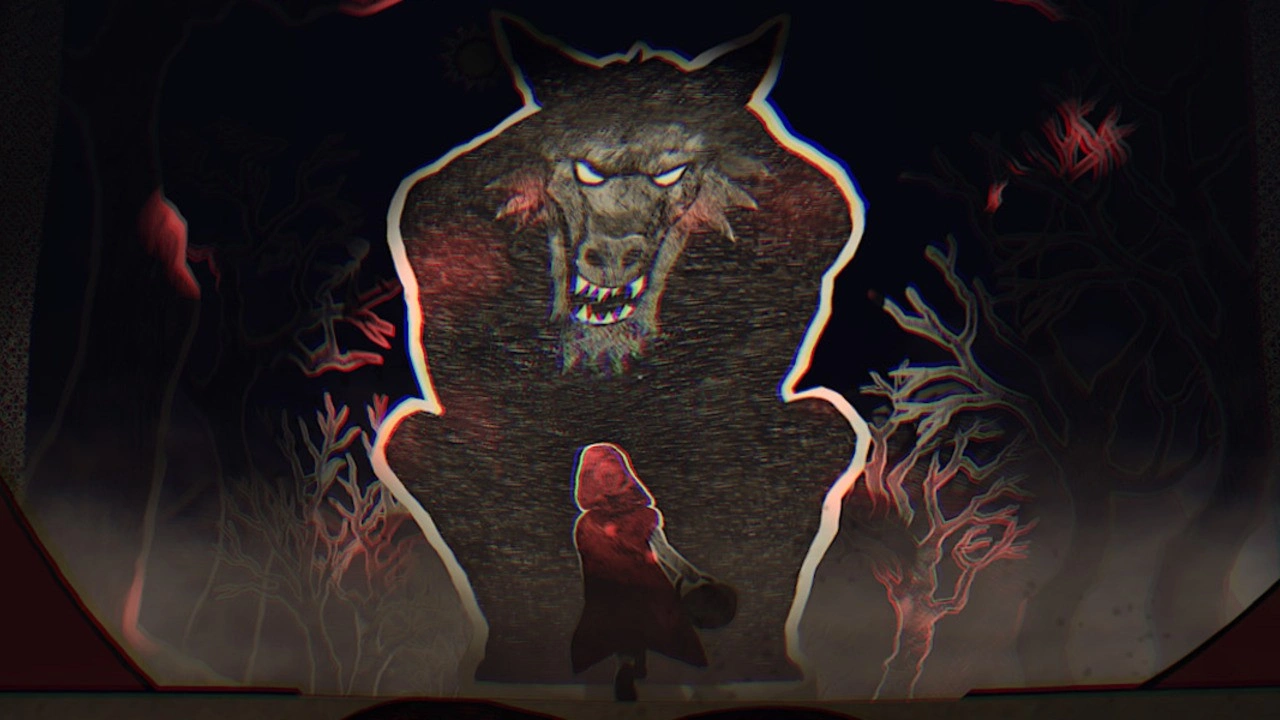
Image Source: Nintendo Life
Layers of Fear: Legacy brings psychological horror to life through art, turning brush strokes and canvas into tools of terror. This Nintendo Switch version of Bloober Team’s acclaimed horror title takes players into a Victorian-era painter’s troubled mind as he tries to finish his greatest work while his sanity crumbles faster.
Learning about a painter’s descent into insanity
The story follows an unnamed painter who returns to his Victorian mansion after a court hearing to work on his masterpiece [12]. The game unfolds across six chapters as you gather items for your painting and uncover a disturbing story through the environment. The painter’s life changed after a department store fire left his pianist wife badly disfigured [13]. He was once a promising artist who drew inspiration from her.
The game explores deeply into themes you rarely see in horror games on Switch. Players face the struggle between artistic obsession and family duties. The developers explain, «we try to talk about serious problems, most often of psychological or sociological nature… such as obsession, bordering on madness, negligence, living within a self-induced nightmare» [14]. They call this «Hidden Horror,» where the game raises tough questions about human nature without simple answers.
Notes between the painter and his wife, newspaper clippings, and personal items scattered throughout the mansion tell his story [15]. Each discovery shows how drinking and creative frustration ruined his relationships. His wife’s death by suicide and losing his daughter followed [13].
This game stands apart from other survival horror games on Switch. You won’t find traditional enemies or fighting here. The real horror comes from watching a brilliant mind fall apart, making you think more than it makes you jump.
Transforming environments and psychological tricks
Among indie horror games on Switch, this game’s clever environmental design makes it unique. The mansion rebuilds itself as you walk through it—doors connect to different rooms than before, hallways never end, and entire layouts change when you turn around [16]. These changes combine smoothly with the game, making you feel lost without breaking the experience.
The mansion becomes a character itself, showing the painter’s mental state through twisted architecture. One reviewer said, «watching the abode fall apart alongside you is a visual treat, as well as helping to personify the painter’s current ordeal» [12]. Blood appears on walls as the story progresses, and torture devices appear, showing his mental torture.
The paintings create the game’s most unsettling moments:
- They surprise you with unexpected scares
- Change shape and melt right before you
- Show glimpses into the painter’s broken mind
- Work as puzzles you need to solve
The game creates constant unease through its unpredictable environment rather than relying only on jump scares. Yes, it is impossible to «never trust in what is behind you» [16].
Nintendo Switch horror game fans will appreciate the Legacy edition’s motion controls that boost immersion, especially in handheld mode [17]. The game draws inspiration from «the overall art of ugliness movement» and artists like Van Eyck and Goya [14], adding depth to its artistic themes.
The painter’s story can end in three different ways based on your choices. The «Loop» ending traps him in obsession, «Self-Portrait» offers redemption, and «Family» shows him accepting his mistakes [18]. Each ending gives a different view on choosing between art and human connections.
The best horror games on Switch don’t need gore or monsters to scare you—sometimes what’s inside our minds can be terrifying enough, and Layers of Fear: Legacy proves this perfectly.
4. Amnesia Collection – Three Stories of Terror

Image Source: Save or Quit
Frictional Games’ Amnesia Collection brings together three terrifying games that changed horror gaming forever. Nintendo Switch players can now experience three unique takes on fear: the game that started it all, its experimental expansion, and a story-driven sequel. Each title brings its own flavor of psychological horror while staying true to what makes the series special – the feeling of helplessness and fear.
The Dark Descent’s legacy
The original Amnesia: The Dark Descent, first released in 2010, created a blueprint that horror games still copy today [19]. You play as Daniel, who wakes up with no memory and must find his way through the scary Brennenburg Castle. The game leaves you completely defenseless against monsters hiding in the dark. This helplessness is the life-blood of how the game works – when danger comes, you can only run or hide.
The game brought several breakthroughs that changed horror games forever:
- Sanity system: Your sanity drops when you look at monsters or stay in darkness, which makes the screen warp and affects how you move
- Resource management: You must always look for oil to keep your lantern lit and tinderboxes to light candles
- Physics-based interaction: The realistic way you open doors and move objects makes everything feel more real
The Dark Descent did more than just change how horror games play. It became one of the most important reasons Let’s Play videos took off on YouTube [19]. Players’ genuine scared reactions made for great videos that helped both the game and streaming become popular. Many people still call it one of the decade’s most influential games and one of the best horror games ever made [19].
Justine’s experimental horror
Justine comes with the collection and packs just as much terror into a shorter package with some bold new ideas. The game works like a psychological test – you wake up as a mystery woman in a cell and hear a recording that tells you to solve three puzzles to get out [20].
The scariest part about this expansion is that you can’t die even once – if you do, you start all over from the beginning [21]. This makes every run-in with the «Suitors» – Justine’s old lovers who she tortured until they broke – absolutely terrifying [19].
The game lets you make moral choices that change how it ends. Each puzzle gives you a choice: take the easy way out and let innocent people die, or make things harder for yourself to save them [20]. The game ends with a shocking twist: you’ve been playing as Justine all along, testing how much you care about others [20]. Your choices lead to different endings, which makes replaying worthwhile even though the game is short.
A Machine for Pigs’ narrative focus
The Chinese Room, not Frictional Games, made the collection’s last game, Amnesia: A Machine for Pigs [22]. This indirect sequel tells a different kind of story. The developers removed the sanity meter, inventory, and tinderboxes to focus more on letting players explore the world [23].
The story takes place in London on New Year’s Eve 1899. Rich industrialist Oswald Mandus searches desperately for his missing kids [24]. The game explores deeply into industrial horror and asks hard questions about what humans will do in the name of progress. Even without the original game’s mechanics, A Machine for Pigs creates real fear through its disturbing scenes and deep thoughts about humanity.
Fans don’t all agree about these changes. Some love the well-crafted story and creepy environments, and say the story «ends up with one of the most satisfying final acts» [23]. Others think removing key features from the original made it less scary [25]. The good news is that all three games run great on Switch. Playing these games on the go makes them even scarier – especially with headphones on [21].
The Amnesia Collection gives Switch players new to horror games great value for money. You get three different ways to experience fear, from managing resources while trying not to lose your mind, to making tough moral choices, to a story that will keep you up at night.
5. World of Horror – Retro Esthetic, Modern Fear

Image Source: Steam
World of Horror stands out among indie horror games on Switch with its old-school esthetic that creates a fresh and terrifying experience. The game feels like something you’d load from a 1980s floppy disk, yet it delivers psychological horror that resonates with modern players.
1-bit art style inspired by Junji Ito
The game’s black and white visuals serve more than style—they define its horror identity. World of Horror uses a 1-bit (or optional 2-bit) art style created in Microsoft Paint. This approach captures the unsettling imagery of Junji Ito’s manga [26]. One reviewer called it a «beautifully ugly world,» thanks to its stark contrasts, rough lines, and grainy look [27].
These visual limitations make the horror more effective. Your mind fills in the missing details when you face bloated corpses, melting men, and ghost girls with flowing black hair [28]. Players can pick from several color schemes—from seaweed green to blood red—and each one changes the mood significantly [29].
Roguelike mechanics and branching paths
The game works as a deep roguelite at its heart. Each run gives you five random mysteries from a bigger collection [28], so every playthrough feels fresh. Players shape their experience by choosing a character with unique stats and perks, selecting a background that shapes events, and picking which elder god they’ll face [26].
Random elements show up throughout the game. You never know which events, items, enemies, or ailments you’ll encounter, so you must adapt quickly [26]. Your goal stays the same: solve five mysteries before the doom counter hits 100% and brings the apocalypse [30]. The way to win changes with each attempt.
Text-based exploration and combat
The exploration system takes cues from classic text adventures. You pick locations to check out, which triggers random events that need quick thinking and skill checks [31]. You might run into an old friend or stumble upon a portal to another dimension [32].
The combat system blends old-school design with new ideas. A time meter limits your actions each turn in the turn-based battles [26]. You’ll need to choose between aggressive attacks or playing it safe to save resources [26]. This mix of strategy and creepy enemy designs makes each fight intense and unsettling.
Horror games on Switch fans looking for something different will find World of Horror a great mix of retro style and modern design. The game pays tribute to both Lovecraft and Ito while carving its own space in the genre.
6. DreadOut 2 – Smartphone Ghost Hunting

Image Source: LifeisXbox
DreadOut 2 creates a unique blend of Fatal Frame and Silent Hill with Indonesian mythology, offering a distinctive third-person horror adventure that adds cultural diversity to horror games on Switch. This sequel substantially improves upon its cult-favorite predecessor and introduces players to terrors rarely seen in Western horror.
Indonesian folklore and urban legends
Indonesian folklore and urban legends shape DreadOut 2’s bestiary, which features entities unfamiliar to most Western players [33]. The Kuntilanak stands out as one of the most terrifying creatures – a vengeful spirit of a pregnant woman who died violently. Players will hear her howling shrieks as she moves through their peripheral vision [3]. The game features other culturally-specific apparitions like the Pocong (spirits of improperly buried bodies) that create a fresh horror experience [1].
Players step into the role of Linda Meillinda, a high school student with supernatural abilities. The game tasks you with completing the Ghostpedia app on your smartphone by documenting various spirits while learning about local myths [33]. This collection system adds purpose beyond survival and encourages players to explore the authentic Indonesian city setting [3].
Camera-based combat system
Your smartphone becomes central to gameplay, serving as both your primary weapon against supernatural threats and your window into the spiritual realm [34]. DreadOut 2 differs from other survival horror games on Switch by featuring two distinct ghost types: intangible specters that only your phone’s camera can harm, and physical entities that require melee weapons [4].
Each confrontation creates genuine tension. Players must snap photos to damage ethereal enemies or blind physical ones with the flash before striking with axes or knives [35]. The phone also works as a flashlight and research tool, creating a versatile system similar to Fatal Frame but with modern smartphone features [36].
School setting with Silent Hill vibes
The game’s main location, the school environment, captures Silent Hill’s atmospheric essence [37]. Linda often returns to her classroom covered in blood and viscera during disturbing transitions between living and spiritual realms, which horrifies her classmates and teachers [3].
DreadOut 2 demonstrates that nintendo switch horror games can effectively explore cultural mythologies beyond traditional Western tropes through this Indonesian horror experience.
7. Signalis – A Love Letter to Classic Survival Horror

Image Source: Medium
Signalis stands out as a brilliant example of retro-inspired terror that captures the magic of survival horror’s golden age on Nintendo Switch. This indie gem arrived in October 2022 and takes players back to an era where tank controls and fixed camera angles shaped the horror gaming experience.
Fixed camera angles and tank controls
The game uses an isometric camera view from above that builds tension by limiting what players can see. While different from the classic fixed angles in games like Resident Evil, this top-down perspective keeps enemies hidden until they’re right next to you. The game’s restrictive controls add to the fear – targeting becomes tricky with multiple enemies, especially during escape attempts [38]. These design choices aren’t flaws but pay tribute to classic horror game traditions.
Sci-fi setting with psychological depth
The story unfolds in a dystopian future where the totalitarian Eusan regime controls humanity’s colonies across the solar system [2]. Players step into the role of Elster, a combat-trained android searching for her partner Ariane. The narrative takes a closer look at identity, memory, and cosmic horror with storytelling that draws from Stanley Kubrick, Hideaki Anno, and David Lynch [2]. This rich psychological layer transforms Signalis from a nostalgic experience into something truly meaningful.
Inventory management and puzzle solving
The «Rule of Six» lets players carry just six items [39], which creates real tension in choosing between weapons, healing items, and puzzle pieces. Players need to plan ahead – it’s a constant choice between taking extra ammo or saving space for essential items. Save room storage boxes help, but smart resource management remains vital [40].
The game’s puzzles pack a serious challenge. Players face everything from complex voltage problems that need precise switch setups [41] to mysterious riddles that test observation skills and logical thinking [42]. Many players call these «some of the very best» puzzles the genre has seen [38].
8. Afterdream – A Surreal Puzzle Horror Experience
Step into the surreal pixel art world of Afterdream, a game where dreams and nightmares blend naturally as one of the most atmospheric indie horror games on Switch. This 2D psychological adventure guides players through a haunted mansion where reality merges with fiction.
Dreamlike visuals and eerie tone
Afterdream’s unique visual style comes from its stylized 2D pixel art graphics. The curved screen edges and subtle noise filter create a dreamlike atmosphere [43]. The color palette changes throughout—brownish tones fill interior scenes along with flickering lights that sometimes leave you in total darkness [44]. The ambient sound design builds dread with realistic footsteps that change based on surface materials and eerie Doppler-effect telephone rings [44].
Camera mechanic reveals hidden horrors
The game gives you a Polaroid camera early on that becomes your main tool to navigate this nightmare [45]. The camera’s lens shows hidden objects that glow white once you spot them [43]. Each photo you take brings these objects into the environment—whether they’re ghosts, puzzle items, or new paths [46]. Like a reality-bending power, the camera has a quick-flash feature that lights up dark areas and activates certain objects [47].
Short but effective gameplay
Afterdream packs a complete experience in just 2-3 hours [45]. The game’s pacing stands out as one of its best features [48], and the breaks between scary moments prevent horror fatigue [45]. Players solve puzzles by examining their surroundings and interacting with objects [49]. The story unfolds naturally, exploring themes of grief, loss, and closure [46].
Conclusion
Nintendo Switch has become an excellent platform for horror games, despite its modest hardware and portable nature. A closer look at these hidden gems reveals the incredible range of horror experiences available on this handheld console. Little Nightmares II brings disturbing fairytale esthetics while Layers of Fear: Legacy creates mind-bending psychological terror. Each game crafts unique nightmares that players won’t soon forget.
Horror hits differently when you hold it in your hands. Playing in handheld mode with headphones creates an intimate bubble of terror that bigger consoles can’t replicate. The Switch’s versatility lets you choose between a personal horror experience on the small screen or the traditional big-screen terror on your TV.
Players often think state-of-the-art graphics make horror games work, but these indie titles show that atmosphere, sound design, and creative mechanics matter more. World of Horror uses visual limitations to boost terror by letting your imagination run wild. Signalis proves that classic survival horror elements still pack a punch when crafted with care and understanding.
This collection showcases amazing cultural variety. DreadOut 2 brings Indonesian folklore to Western audiences, while Amnesia Collection delivers three unique takes on psychological horror. Of course, these diverse experiences give horror fans with different priorities something to enjoy.
A new nightmare waits for you on Switch. These hidden gems deserve attention, whether you enjoy resource management in survival horror or story-driven psychological terror. Pick up those Joy-Cons, dim the lights, and find out why Switch horror games might keep you up long after you stop playing.
FAQs
Q1. What makes the Nintendo Switch a good platform for horror games? The Switch’s portability creates an intimate horror experience, especially when playing in handheld mode with headphones. Its versatile nature allows for both personal and big-screen scares, while the console’s growing library of indie titles offers diverse horror experiences despite hardware limitations.
Q2. Are there any unique horror games on Switch that explore different cultural mythologies? Yes, DreadOut 2 is a standout example that draws from Indonesian folklore and urban legends. It introduces Western players to culturally-specific spirits and myths rarely seen in mainstream horror games, offering a fresh perspective on the genre.
Q3. How do indie horror games on Switch compensate for the console’s technical limitations? Many indie horror games on Switch focus on atmosphere, sound design, and innovative mechanics rather than cutting-edge graphics. Games like World of Horror use deliberately retro esthetics to enhance the horror experience, while others like Signalis recreate classic survival horror conventions to great effect.
Q4. What are some horror games on Switch that offer unique gameplay mechanics? Little Nightmares II features cinematic platforming with limited combat, Layers of Fear: Legacy uses shifting environments to disorient players, and Afterdream incorporates a camera mechanic that reveals hidden horrors. These games showcase how innovative design can create memorable scares.
Q5. Are there any horror game collections available on Switch that offer good value? The Amnesia Collection is an excellent choice, offering three distinct horror experiences in one package. It includes the groundbreaking original game, an experimental expansion, and a narrative-focused sequel, providing a comprehensive look at different approaches to psychological horror.
References
[1] – https://www.relyonhorror.com/reviews/review-dreadout-2-goes-off-the-rails/
[2] – https://store.steampowered.com/app/1262350/SIGNALIS/
[3] – https://www.rockpapershotgun.com/the-best-game-you-missed-in-february-2020-dreadout-2
[4] – https://dreadout.fandom.com/wiki/DreadOut_2
[5] – https://www.washingtonpost.com/video-games/reviews/little-nightmares-2-review/
[6] – https://littlenightmares.fandom.com/wiki/Little_Nightmares_II_(video_game)
[7] – https://www.latimes.com/entertainment-arts/story/2021-02-09/little-nightmares-2-revels-in-the-kind-of-childhood-fears-that-never-go-away
[8] – https://steamcommunity.com/id/gerowen/recommended/860510/
[9] – https://www.linkedin.com/pulse/wordless-world-narrative-genius-little-nightmares-ii-eve-ryan-upxne
[10] – https://www.gamespot.com/reviews/little-nightmares-2-review/1900-6417641/
[11] – https://www.nintendolife.com/reviews/nintendo-switch/little_nightmares_ii
[12] – https://www.nintendolife.com/reviews/switch-eshop/layers_of_fear_legacy
[13] – https://en.wikipedia.org/wiki/Layers_of_Fear
[14] – https://www.reddit.com/r/NintendoSwitch/comments/82yipa/layers_of_fear_legacy_faq_and_discussion_official/
[15] – https://www.nintendojo.com/reviews/review-layers-of-fear-legacy-switch
[16] – http://www.nintendoworldreport.com/review/46702/layers-of-fear-legacy-switch-review
[17] – https://www.reddit.com/r/NintendoSwitch/comments/8er6zi/layers_of_fear_legacy/
[18] – https://screenrant.com/layers-fear-game-endings-explained-guide/
[19] – https://en.wikipedia.org/wiki/Amnesia:_The_Dark_Descent
[20] – https://amnesia.fandom.com/wiki/Amnesia:_Justine
[21] – https://thisgengaming.com/2019/09/29/amnesia-collection-review-nintendo-switch/
[22] – https://www.youtube.com/watch?v=_F40HopsCR0
[23] – https://www.ign.com/articles/2013/09/10/amnesia-a-machine-for-pigs-review
[24] – https://en.wikipedia.org/wiki/Amnesia:_A_Machine_for_Pigs
[25] – https://fextralife.com/horror-gaming-amnesia-a-machine-for-pigs/
[26] – https://www.gamedeveloper.com/design/how-world-of-horror-showcases-the-quot-horror-roguelike-quot-
[27] – https://www.gamesear.com/reviews/intense-roguelike-inspired-junji-ito-lovecraft-world-of-horror-review-launch-version-1-0
[28] – https://www.escapistmagazine.com/world-of-horror-review/
[29] – https://www.videogamesgood.com/post/world-of-horror-developed-low-and-slow-heads-to-1-0-release-pax-west-2023-hands-on-interview
[30] – https://en.wikipedia.org/wiki/World_of_Horror
[31] – https://bloody-disgusting.com/video-games/3786196/world-of-horror-video-game-review-text-based-horror-experience-channels-lovecraft-and-junji-ito/
[32] – https://www.switchaboo.com/world-of-horror-switch-review/
[33] – https://nintendoeverything.com/dreadout-2-gameplay/
[34] – https://www.reddit.com/r/HorrorGaming/comments/w9140a/dreadout_2_is_one_of_the_worst_horror_games_ive/
[35] – https://dreadout.fandom.com/wiki/Ghosts
[36] – https://www.lifeisxbox.eu/review-dreadout-2/
[37] – https://www.trueachievements.com/n50143/dreadout-2-horror-xbox-one-series-x-s
[38] – https://www.reddit.com/r/NintendoSwitch/comments/z72bb5/signalis_is_a_masterpiece/
[39] – https://frostilyte.ca/2023/02/28/i-hate-the-tedious-inventory-system-in-signalis/
[40] – https://gamerant.com/signalis-manage-inventory-guide/
[41] – https://gameranx.com/features/id/421170/article/signalis-fuse-box-puzzle-solution-paternoster-engine-room/
[42] – https://blog.playstation.com/2022/07/07/signalis-brings-multilayered-psychological-sci-fi-survival-horror-to-ps4-october-27/
[43] – https://blog.amigaguru.com/afterdream-a-retro-inspired-pixel-horror-game/
[44] – https://adventuregamehotspot.com/review/1099/afterdream
[45] – https://digitalfantasydiary.com/2023/11/06/afterdream/
[46] – https://vulgarknight.com/afterdream-review/
[47] – https://www.thexboxhub.com/afterdream-review/
[48] – https://www.nintendolife.com/reviews/switch-eshop/afterdream
[49] – https://store.steampowered.com/app/1995880/Afterdream/